
If you already have solar panels on your Sydney home, you may be wondering if you can add a battery without replacing the system. The good news is that you can add a home battery to most existing solar systems. It lets you store extra solar power during the day and use it at night, when your home would otherwise draw electricity from the grid. But before you invest, there are a few things to check, including your inverter, your current system, and whether a battery makes financial sense for your household.
Can you add a battery to solar you already have?
Yes. A battery doesn’t have to go in at the same time as the panels. Early figures from the federal battery program show that more than half of the home batteries installed so far were added to solar systems that already existed.
What matters is whether your current setup is a good match. That mostly comes down to your solar inverter, your switchboard and your meter. Those three things decide how easy the job is, and whether you’ll need extra electrical work along the way.
What’s the difference between AC-coupled and DC-coupled batteries?
This sounds technical, but the idea is simple. It’s about how the battery plugs into your system.
An AC-coupled battery has its own inverter built in. It connects to your home’s wiring separately from your solar, so your existing solar inverter can stay exactly where it is. This is the most common way to add a battery to an older solar system, because it’s less disruptive.
A DC-coupled system uses one “hybrid” inverter that handles both the panels and the battery. It can be a bit more efficient, but it usually means replacing your current inverter. That makes more sense if your inverter is already old, or you’re upgrading the solar at the same time.
Neither one is better for everyone. The right choice depends on your current inverter, how old it is, and what you want from the system.
What does an electrician check first?
Before anyone quotes you, there are a few things that need a proper look.The first is your solar inverter. How old is it, what brand is it, and can it work alongside a battery? Most inverters last somewhere around 10 to 15 years, so if yours is getting close, it can be smart to replace it as part of the job.
The second is your switchboard. A battery adds a new connection and new protection, and older boards often don’t have the space or the capacity. Switchboard upgrades are one of the most common extra jobs we see on battery installs.
The third is your meter. Some setups need a meter that can track both what you use and what you send out, so your battery knows when to charge and discharge. Your power phases matter too, because homes with single-phase and three-phase supply are set up differently.
If your home is older, a short electrical check beforehand can save you from surprises later. This is a key step for any Solar and Battery Installation Sydney project.
Where can the battery go?
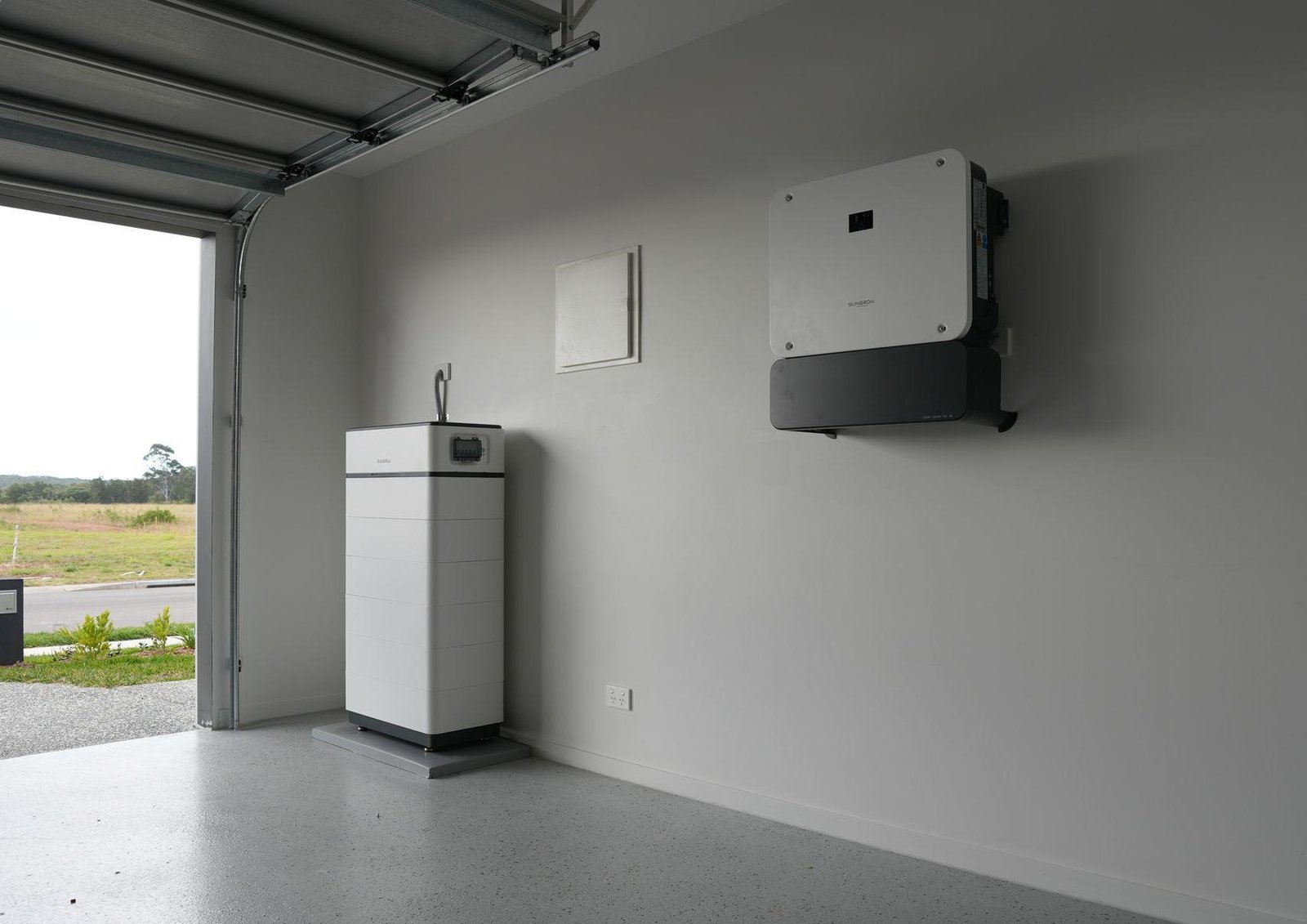

Not just anywhere. Batteries have rules about where they can be installed, mostly for fire safety. They usually can’t go into bedrooms or living areas, and they need to stay clear of exits, windows and escape routes.
Most Sydney homes put them in the garage, on an outside wall or in a side passage. Outdoor spots need to handle weather, heat and sun, which matters in coastal suburbs where salt air and strong sun are part of life. The battery also needs a sensible cable route back to your switchboard, because a long, awkward run adds time and cost.
So ask where it’s going before you ask how much it costs.
Will the battery keep the lights on in a blackout?
Not automatically, and a lot of people don’t realise this.
Many battery systems are set up to store solar power and use it in the evening, but they shut down when the grid goes out. To power your home during a blackout, the system needs to be wired and set up for backup. Some homes back up the whole house, while others only back up a few key circuits, like the fridge, lights and internet.
If blackout protection matters to you, say so right at the start. It changes the equipment and the electrical work involved.
Is it actually worth adding a battery?
For many homes, yes. But it isn’t a given.
A battery makes the most sense if you use a lot of power in the evening and your solar sends plenty back to the grid during the day. It also helps if your feed-in tariff is low, if you have an EV charging at night, or if you’re running air conditioning on hot evenings.
It’s less useful if you’re home during the day and already use most of your solar as it’s produced, or if your solar system is quite small and wouldn’t fill the battery. In that case, a smaller battery or no battery at all might be the better call.
A simple way to check is to look at your power bill and see how much you use after dark. That number tells you more than any sales pitch.
How does the battery rebate work?
The federal Cheaper Home Batteries Program takes money off the upfront cost of a battery. It covers batteries from about 5 kWh up to 100 kWh, and it applies to both new and existing solar systems.
A few things to know. The discount has recently been around 25 to 30 percent for typical home batteries. Since 1 May 2026, the rebate has been tiered by battery size, which means mid-sized batteries, roughly 10 to 14 kWh, get the best value per kWh, while larger ones get a smaller discount on the extra capacity. The rebate also steps down every six months, so installing sooner generally means a bigger discount. And the amount is based on your installation date, not the day you sign or pay a deposit.
You don’t apply for it yourself. An accredited installer takes it off your quote. The battery and the installer both need to be approved, so it’s worth checking before you commit. Rules and amounts change, so please confirm current details with your installer or the government’s program page. It’s also worth checking whether any NSW programs apply to you.
What size battery do you need?
Bigger isn’t always better. The goal is a battery that fills up from your solar during the day and gets used up in the evening.
If your battery is too small, you’ll still be buying power at night. If it’s too big, it may never fully charge, and you’ve paid for storage you don’t use. Most Sydney households land somewhere in the middle, and your evening usage, solar size and plans for an EV or air conditioning all help narrow it down.
What should you ask before booking?
A few simple questions go a long way:
- Will my current inverter work with a battery, or will it need replacing?
- Does my switchboard need an upgrade first?
- Where will the battery go, and does that location meet the rules?
- Will it work in a blackout, or only store solar?
- Is the installer accredited, and is the battery eligible for the rebate?
- Does my energy network need to approve the connection?
In Sydney, your network, usually Ausgrid or Endeavour Energy, may need to approve the battery connection, so a good installer should handle that paperwork for you.
The bottom line
Adding a battery to an existing solar system is very doable in Sydney, and plenty of homes are doing exactly that. The key is making sure the electrical side is ready first, including your inverter, switchboard, meter and the spot where the battery will sit. Get those right, and you’ll have a system that makes the most of your solar, instead of sending it back to the grid for next to nothing.
If you’re thinking about solar and battery installation Sydney and want to know whether your current setup is ready, ACE Catlin Electrical can check your switchboard, wiring and metering and give you clear advice before you spend a cent. Call us on 0434 353 176 and we’ll talk you through your options.
FAQs
Can any solar system have a battery added?
Most can, but it depends on your inverter, switchboard and meter. Older systems may need an upgrade or a new inverter first, so a quick electrical check is the best place to start.
Do I have to replace my solar inverter to add a battery?
Not always. An AC-coupled battery can work with your existing inverter. If your inverter is old or not compatible, replacing it with a hybrid inverter might make more sense.
Can I get the government rebate if my solar is already installed?
Yes. The Cheaper Home Batteries Program applies to batteries added to new or existing solar, as long as the battery and installer are eligible. Check current amounts with your installer, since the rebate steps down over time.
How long does it take to install a home battery?
Most installs take about a day, but it can take longer if your switchboard needs upgrading or the cable run is complicated. Network approval can also add time before the battery is switched on.
Will a battery power my home during a blackout?
Only if it’s set up for backup. Many systems store solar but don’t supply power when the grid is down, unless the backup wiring is installed.


